
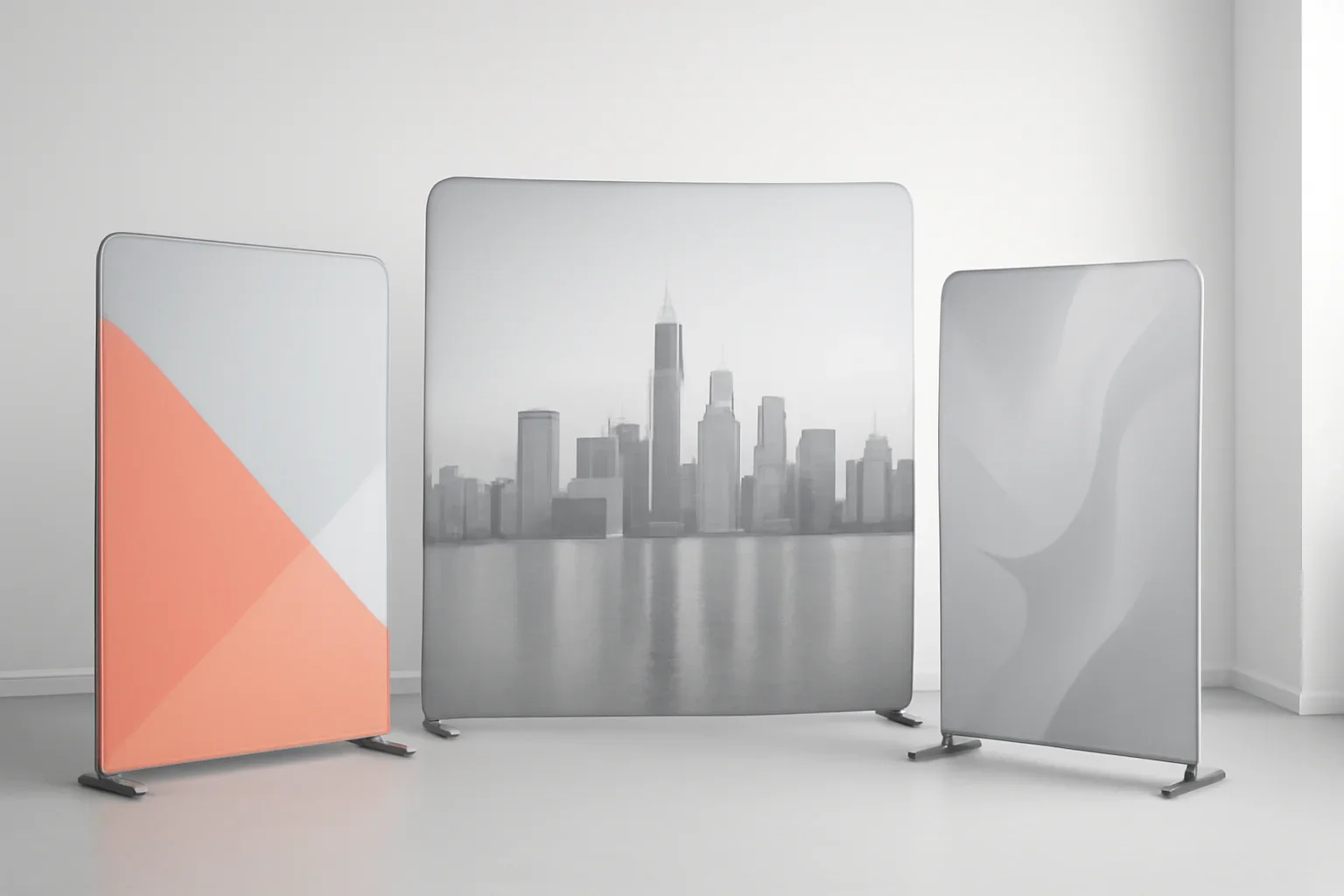
Trade show and event displays
The pop-up displays service helps organizations handle trade show booths, event floors, and sales demos with print that fits the real setting.
Related pages such as support, pop-up display vs tension fabric display, and trade show display ideas for small business can help narrow the remaining choices around display footprint and graphic size.
This format works best for trade show booths, event floors, and sales demos when the finished piece matches the setting, for pop-up displays work under the best use step.
Early details such as display footprint, graphic size, and hardware type shape the quote, proof, and production route, for pop-up displays work under the key specs step.
Material choices such as fabric graphics, rigid panels, and stand hardware should support the way the finished piece will be used, for pop-up displays work under the material fit step.
A clean handoff covers artwork, approval timing, and any installation or delivery requirements, for pop-up displays work under the production handoff step.
Choose pop-up displays for trade show booths, event floors, and sales demos when the final setting supports the format, for pop-up displays work under the what to plan before ordering step.
Important setup details include display footprint, graphic size, and hardware type, because they affect materials, artwork, and production timing, for pop-up displays work under the what to plan before ordering step.
Common material and finishing decisions involve fabric graphics, rigid panels, and stand hardware, but the right mix depends on how the piece will be used, for pop-up displays work under the what to plan before ordering step.
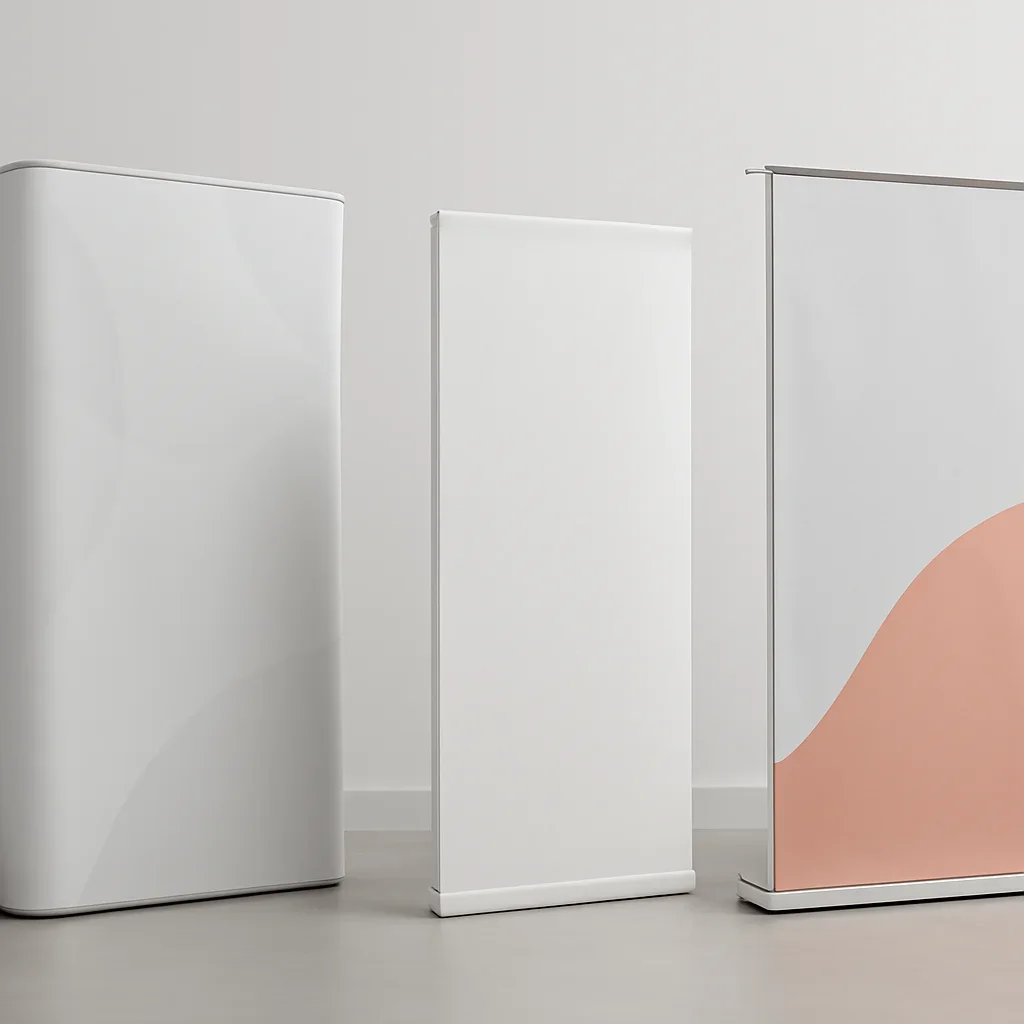
The card checks display footprint and graphic size before material and artwork decisions are locked, for pop-up displays work under the use the width for one idea step.
This point keeps fabric graphics and rigid panels tied to how the finished piece will be used, for pop-up displays work under the plan accessory pieces step.
This step connects the page to trade show booths and event floors with a clear setup path, for pop-up displays work under the think about the carrying case step.
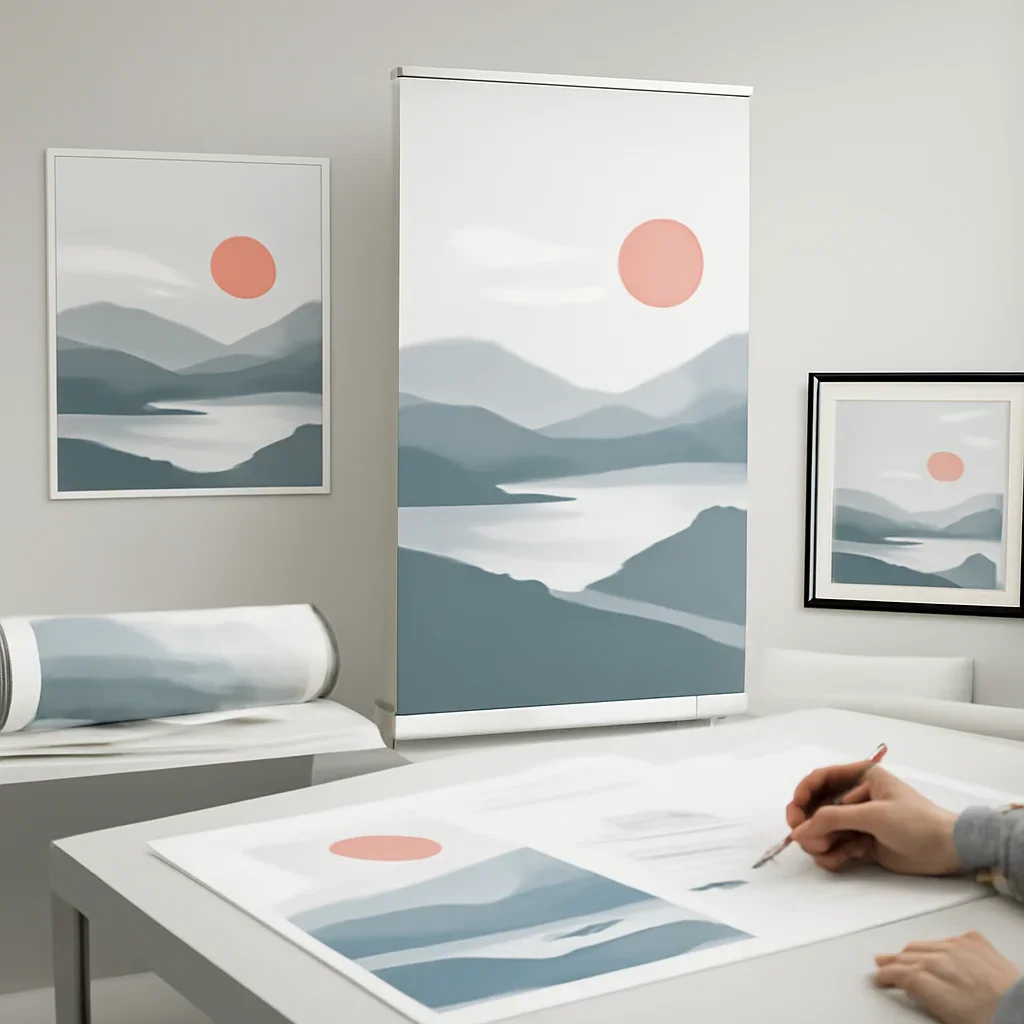
A useful quote should explain what is being produced, how it will be used, and what must be confirmed before proofing, for pop-up displays work under the how the process works step.
Choose pop-up displays for trade show booths, event floors, and sales demos when the final setting supports the format, for pop-up displays work under the how the process works step.
The card checks display footprint and graphic size before material and artwork decisions are locked, for pop-up displays work under the start with the application step.
This point keeps fabric graphics and rigid panels tied to how the finished piece will be used, for pop-up displays work under the review production details early step.
This step connects the page to trade show booths and event floors with a clear setup path, for pop-up displays work under the confirm the next step step.
Use this space for approved customer feedback about pop-up displays after permission, attribution, and publishing wording are confirmed.
Add documented credentials, supplier requirements, venue notes, or product approvals for pop-up displays only after they are verified.
Start with display footprint, graphic size, and hardware type and how the finished piece will be used. Once those details are clear, material, artwork, proofing, and production choices are easier to confirm, for pop-up displays work before proofing.
This option is usually a good fit for trade show booths and event floors. The right specification depends on placement, handling, viewing distance, and deadline, for pop-up displays work before proofing.
Artwork should be prepared at the correct size with readable text, suitable resolution, and any required bleed or safe area. If the file is not ready, the project can still be scoped from display footprint, graphic size, and hardware type, for pop-up displays work before production.
To move forward with pop-up displays, share display footprint, graphic size, hardware type, and shipping or transport needs and where the finished piece will be used.
After the enquiry, the next step is to confirm fabric graphics and rigid panels, artwork readiness, proofing needs, and production timing, for pop-up displays work during handoff.
